|
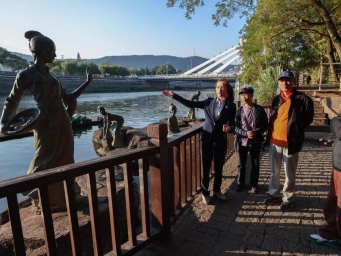
Chongqing, a megacity in southwest China, is renowned for its dramatic landscapes, vibrant urban energy, and unique blend of natural and man-made wonders. Here’s a detailed view of this captivating city: 1. Geographical Marvels: A City Built on Hills and Rivers Chongqing is often called the "Mountain City" (山城, Shānchéng) due to its rugged terrain—nested among hills and valleys, with no flat ground to speak of. This topography creates a stunning, layered skyline where skyscrapers cling to slopes, bridges span deep gorges, and roads twist and turn like ribbons. Rivers as Lifelines: The Yangtze and Jialing Rivers converge here, dividing the city into three main districts (Yuzhong, Jiangbei, Nan’an) and shaping its identity as a "River City" (江城, Jiāngchéng). The confluence is a iconic viewpoint, especially at night when lights reflect off the water. Natural Landscapes: Beyond the urban core, Chongqing boasts breathtaking scenery, including the nearby Three Gorges (a world-famous Yangtze River attraction) and Wulong Karst (a UNESCO World Heritage Site with towering peaks and sinkholes, featured in films like Transformers). 2. Urban Architecture: A Fusion of Old and New Chongqing’s architecture is a visual feast, blending ancient history with futuristic design: Historic Alleys: Narrow lanes called "lòng" (弄) wind through old neighborhoods, where traditional wooden houses ("stilted buildings") stand alongside street vendors selling local snacks like hotpot and spicy noodles. Modern Icons: Chaotianmen Bridge: A massive arch bridge spanning the Yangtze, often lit up in vibrant colors at night. Liziba Station: A metro station built through a residential building—an iconic symbol of Chongqing’s space-saving ingenuity. Raffles City Chongqing: A pair of skyscrapers connected by a skybridge, resembling a sailboat and dominating the skyline. 3. Cultural Charm: Food, History, and Local Flair Culinary Fame: Chongqing is the birthplace of Sichuan hotpot (though distinct from Chengdu’s milder version, with a spicier, numbing broth). Street food is ubiquitous—try dànchāobǐng (egg-fried rice cakes), yóuxiāmiàn (spicy noodle soup), and zhūròu tángyuán (sweet pork dumplings). History and Heritage: - Ciqikou Ancient Town: A preserved 1,000-year-old riverside town with wooden shops, teahouses, and traditional crafts. - Hongya Cave: A 11-story complex modeled after ancient stilted buildings, housing restaurants, shops, and offering panoramic river views (often compared to the "Spirited Away" bathhouse). Local Life: Residents embrace the city’s lively pace—morning tea in parks, evening strolls along riverfronts, and late-night hotpot gatherings that last until dawn. 4. Night Views: A Dazzling Spectacle Chongqing’s nightlife is legendary, with its illuminated skyline often ranked among the world’s most beautiful. Key spots to enjoy the night view include: - Nanshan一棵树观景台 (Nanshan One Tree Viewing Platform): Overlooks the entire city, with the confluence of the Yangtze and Jialing Rivers glowing below. - Qiansimen Bridge: A pedestrian-friendly bridge offering close-up views of skyscrapers and riverboats. 5. A City of Contrasts Chongqing is a place of extremes: bustling commercial hubs coexist with quiet mountain villages; spicy flavors ignite the palate while serene river views calm the mind; ancient traditions thrive alongside cutting-edge innovation. It’s not just a city—it’s an experience, where every corner tells a story of resilience and adaptability, shaped by its unique geography and rich history. In short, Chongqing is a dynamic, unforgettable destination that leaves visitors in awe of its natural beauty and urban creativity.
|
|
 |周边二手车|手机版|标签|xml|txt|新闻魔笔科技XinWen.MoBi - 海量语音新闻!
( 粤ICP备2024355322号-1|
|周边二手车|手机版|标签|xml|txt|新闻魔笔科技XinWen.MoBi - 海量语音新闻!
( 粤ICP备2024355322号-1| 粤公网安备44090202001230号 )|网站地图